

Living With Anxiety - 3 Actions That Have Helped Me.
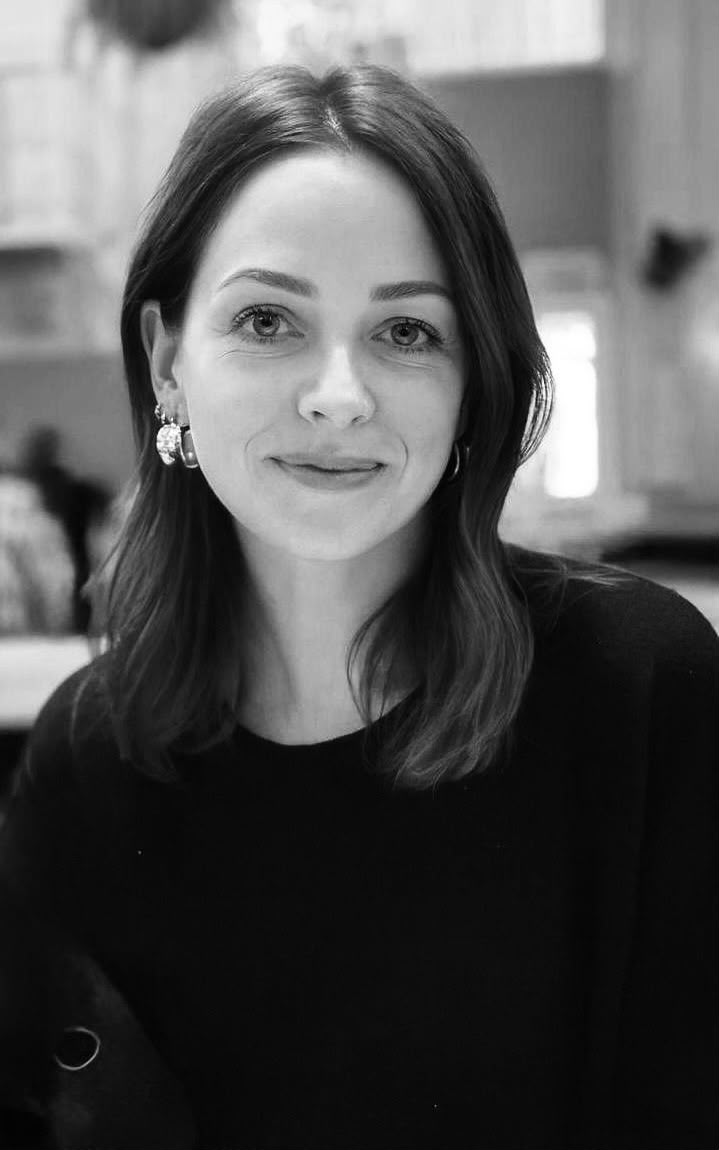

Anxiety has a really subtle way of becoming part of who we are. When we've lived with it for years, we stop recognising it as anxiety at all. It becomes our normal. We forget what it feels like to properly relax, to cope without constantly scanning for what might go wrong, and to move through life without carrying an invisible weight. My experience of anxiety feels like there isn’t a corner of my world that’s not impacted by it to some degree. It can affect how I relate to others and how I move through the world.

Burnout, Overwhelm, Hypervigilance
Anxiety can show up in so many ways that aren't always obvious: burnout from never switching off, relationship difficulties caused by overthinking or needing reassurance, the pressure of parenting while always anticipating problems, or the emotional load of caring for others while ignoring our own needs.
For me, anxiety has always lived as a feeling of unsettlement in my stomach, like butterflies with a side of nervousness. It's been there since childhood... a constant sense of what's going to happen next. It fuelled an urge to control the narrative, to always have a plan, believing that preparation could prevent danger or pain.
I grew up in Belfast during the Troubles, which meant life often felt unpredictable and unsafe. I remember always looking for a way out, instinctively scanning my surroundings and needing to know the quickest escape if something happened. That hypervigilance became second nature and followed me into adulthood. I still notice myself anticipating every possible outcome, needing an exit strategy, and finding it difficult to settle into the present moment fully.

Awareness offers choice...
That on-edge feeling has stayed with me; however, something important has changed. I now understand where it comes from and how it has shaped my thoughts and behaviours. With awareness comes choice. Instead of fighting anxiety or letting it dictate my life, I choose to acknowledge it with compassion, accept that it is trying to protect me, and practise choosing a different response. Anxiety no longer has to define my life or hold me back. I have learnt over time that anxiety is not to be feared but accepted and managed.
Tip 1 - Deep Breathing
Sit comfortably and place one hand on your tummy.
Take a deep breath in for 4 seconds so that your hand rises slightly on your stomach.
Pause for 4s.
Exhale for 6s.
Practise for 3-5 Minutes.
This is one of my favourite methods of coping with anxiety when on the move or in social situations. It's discreet and can be done anywhere.
Tip 2 - Muscle Relaxation
Recognising areas of tension in the body is key when learning to relax. For each of the areas below, tense your muscles tightly for 10s, but not so tight that it hurts. As you squeeze, take note of how it feels. Then release the tension and notice how it feels as the muscles relax fully.
Feet - curl your toes tightly, hold and release.
Back - squeeze your shoulder blades together, hold and release.
Shoulders - Squeeze your shoulders up to your ears, hold and release.
Tip 3 - Imagery
When you learn to understand the impact and power your thoughts have on how you feel, you can start to challenge the pattern of negative thinking. If you think of something sad, you will probably start to feel sad, and the opposite is also true. If you think of something positive and calming, you can feel more relaxed. Sit somewhere comforting and try these sensory exercises -
Look- What do you see around you? Take note of details in the distance.
Listen - What sounds can you hear? Listen for distant sounds. Are they loud?
Touch - What can you feel? Feel the sensation of textures around you and the air on your skin.
Smell - What does the air smell like? Is there a scent?
Anxiety Is A Feeling That You Can Manage...
Remember that anxiety is not something to fear or fight against; it is your body and mind’s way of trying to protect you, keep you safe, and make sense of the world around you. While anxiety can sometimes create stories or narratives that feel limiting, recognising it as a protective response allows you to approach it with curiosity rather than judgment.
These simple exercises are small but powerful tools that can help you build awareness, shift old patterns, and create new ways of responding to life’s challenges. I hope you can begin to integrate them into your daily routine and discover that you have the ability to change the patterns that have been holding you back, opening yourself up to more freedom, presence, and meaningful experiences.
Anne x


Comments